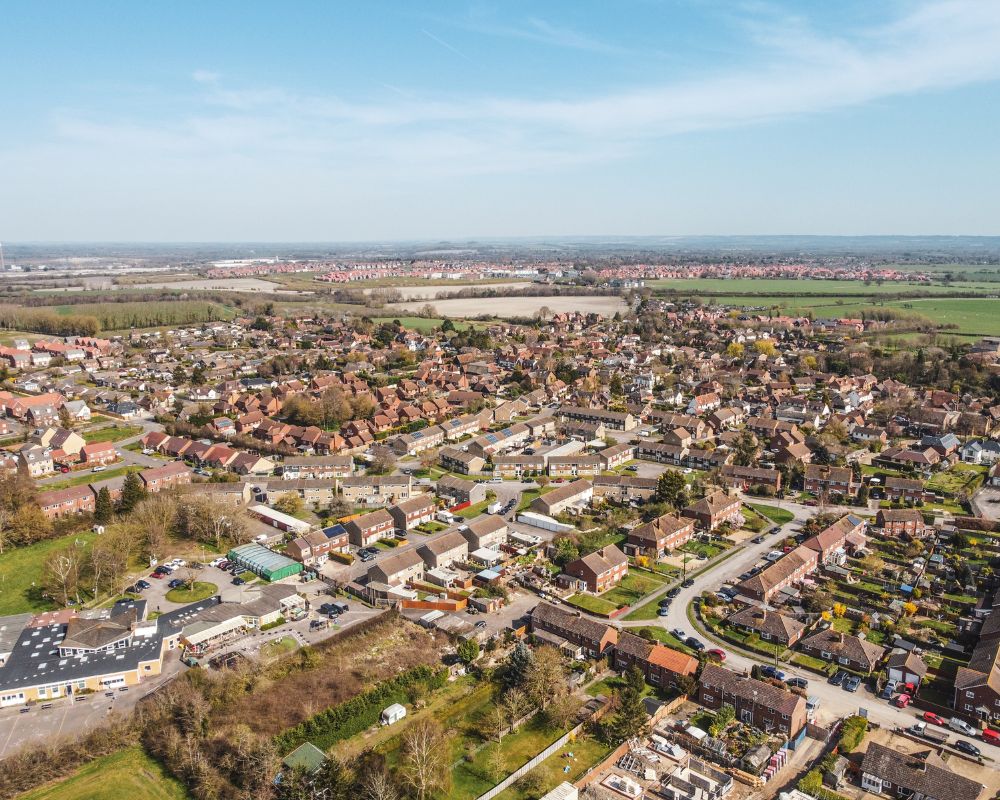
I’ve quoted Frank Close before but here is an evocative picture of Harwell, one of the most significant nuclear laboratories established globally:
After the end of the war, in 1946, this site was taken over by “the Atomic,” as Harwell Laboratory was affectionately known. The Atomic had an air of mystery, even of menace. Tall chimneys, tower blocks, and offices of red brick, prettified with sash windows, gave the place the appearance of an industrial site, which in effect it was. The runways of the former airfield became roads, and the vast areas of concrete where the planes had once taxied became bus terminals: large numbers of coaches were needed to ferry workers between the laboratory and the surrounding villages, which were several miles away. Behind the security fence, which was manned by armed police officers, the abandoned aircraft hangars became laboratories. Those allowed inside would discover the postwar state of the art in big science. The walls within the hangars housed three stories of offices and labs, which were reached by metal staircases. From walkways, high above the hangar floor, you could look down on piles of graphite and concrete blocks, which eventually would house a nuclear reactor. The scientists wore suits and ties. Many completed the ensemble with a waistcoat, within which a pencil or fountain pen would nestle, ready to record data. They smoked pipes as they watched lights flicker on monitors, recorded the readings from dials, or adjusted Bakelite knobs on the electronics. That was how science was done in the Britain of the 1940s.
Close, Frank. 2015. Half Life: The Divided Life of Bruno Pontecorvo, Physicist or Spy. OneWorld, London, p. 147.