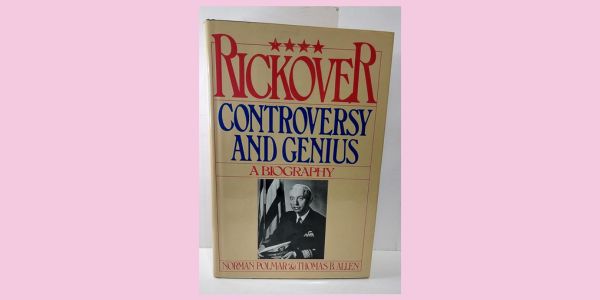
I enjoyed this aside about how Hyman Rickover, naval submarine tyrant, discovered the non-military world can be more complex:
The building of Shippingport also introduced Rickover and American industry to each other. Submarine work, up until Shippingport, had been virtually handcraft. Rickover, like the manager of a small machine shop, was able to keep an eye on just about everything that was going on. But, first at Shippingport and later at the shipyards building the nuclear navy, Rickover learned that not all men worked as hard as the men in NRB worked. He met contractors whose livelihood did not entirely depend upon pleasing Rickover and the Navy; he discovered that the speeding-up of union workers means costly overtime; and he saw budgets wiped out by what would come to be called cost overruns. Reluctantly, angrily, he had to go to the AEC and ask for more money than he had expected he would need. Soon he would start making public speeches about the declining American work ethic.
Polmar, Norman and Thomas B. Allen. 1982. Rickover: Controversy and Genius. Simon & Schuster, 609-12.